Dr Luanda – Specialist Dermatologist

Dr-Mthembu

Understanding Vitiligo:

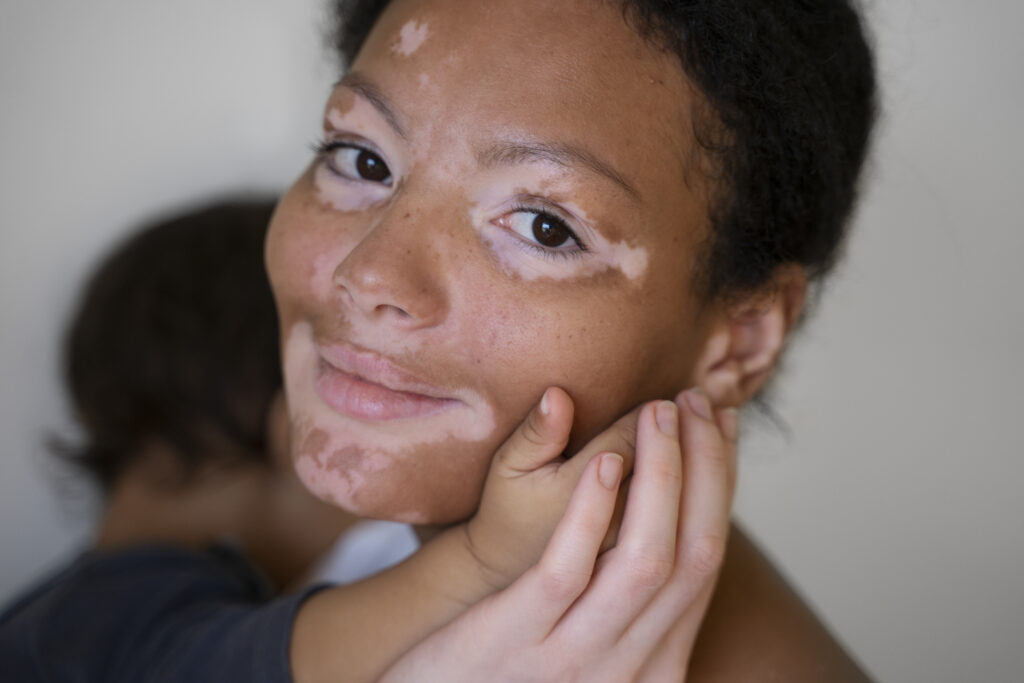
A Comprehensive Guide to Causes, Treatments, and Support  Vitiligo is a chronic skin condition characterized by the loss of pigment, leading to distinctive white patches. It affects approximately 1% of the global population, transcending age, gender, and ethnicity. While not physically harmful, its impact on mental health and self-esteem can be profound. Here’s an in-depth look: 🧬 Causes & Mechanisms  Types of Vitiligo  Treatment Options  Lifestyle & Management 🚫 Myths vs. Facts ❤️ Emotional & Social Support 🔬 Future Outlook Research is exploring stem cell therapies and genetic interventions. Clinical trials continue to assess new treatments, offering hope for long-term solutions. 📚 Resources Embrace Your Journey: Your skin’s story is unique—own it with pride. Consult a dermatologist to tailor a treatment plan that works for you. 

Understanding Vitiligo: Read More »
How to Choose the Right Skincare Routine for Your Skin Type

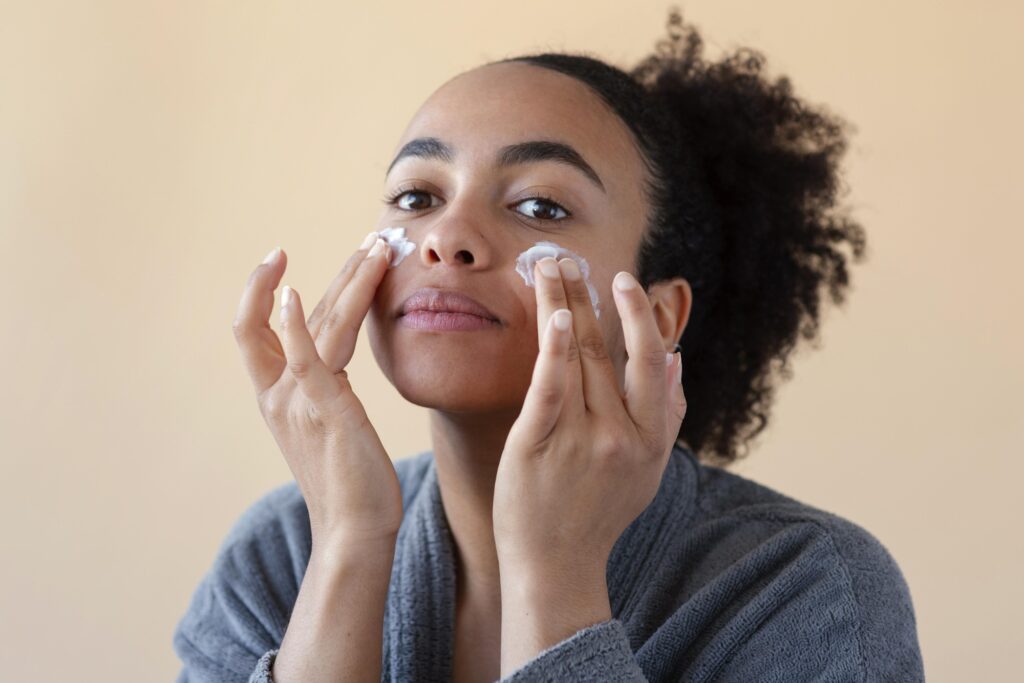
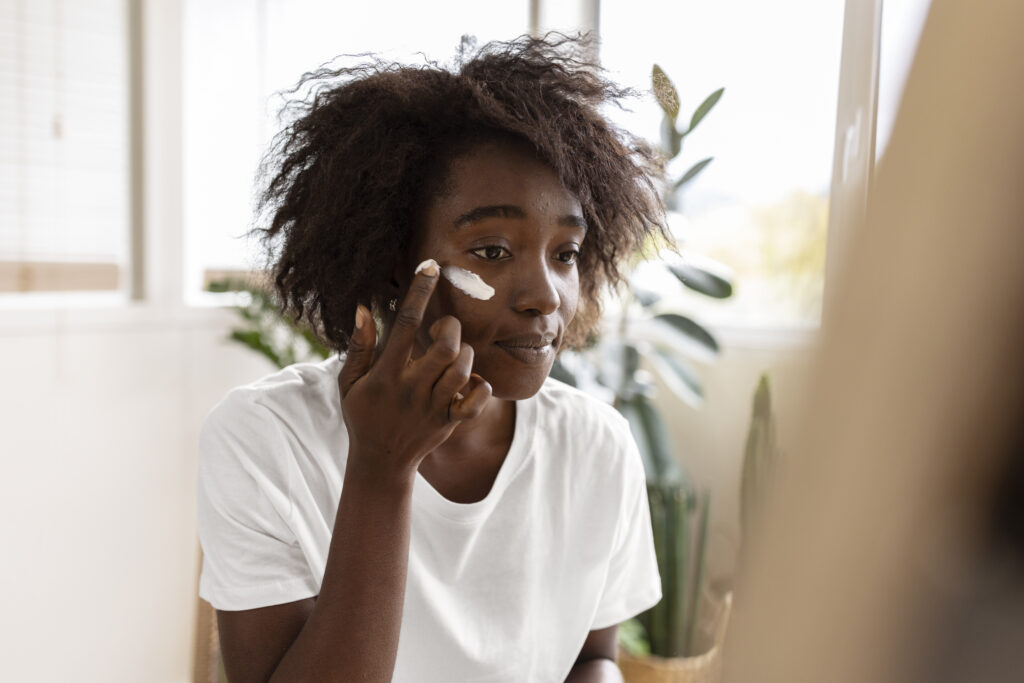
A proper skincare routine is key to maintaining healthy and radiant skin. However, with so many products available, choosing the right ones for your skin type can be overwhelming. Understanding your skin type is the first step in developing an effective regimen. Identifying Your Skin Type and the Best Skincare Routine 1. Oily Skin 2. Dry Skin 3. Combination Skin 4. Sensitive Skin Conclusion Knowing your skin type helps in selecting products that nourish and protect your skin without causing irritation.

How to Choose the Right Skincare Routine for Your Skin Type Read More »

Hair Loss: Uncovering the Root Causes

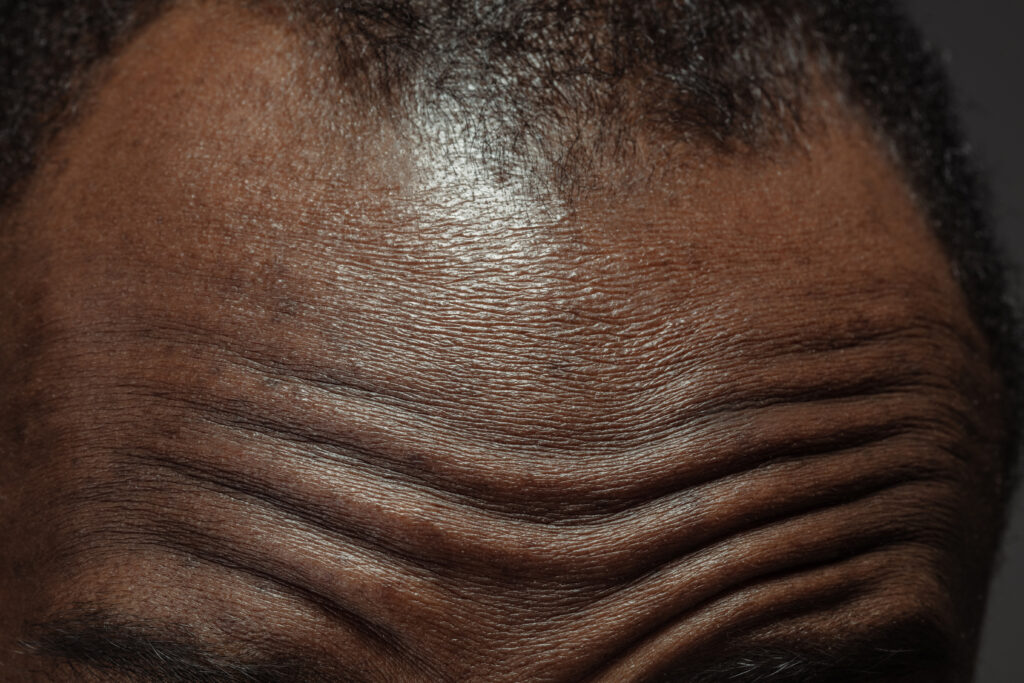
Hair loss affects millions globally, with causes ranging from genetics to autoimmune disorders. Androgenetic alopecia (pattern baldness) is the most common type, impacting 50% of men over 50 and 30% of women post-menopause (Journal of Investigative Dermatology, 2023). However, sudden hair loss may signal thyroid dysfunction, iron deficiency, or stress-induced telogen effluvium. How Dermatologists Diagnose Hair Loss Evidence-Based Treatments Myth vs. Fact

Hair Loss: Uncovering the Root Causes Read More »

Acne at 30? Why DIY Skincare Isn’t Always Enough

Meet Sipho, a Durban-based teacher who thought acne was a teenage phase—until it followed him into his 30s. Over-the-counter creams provided temporary relief, but the cysts kept returning. Frustrated, he finally consulted a dermatologist, who diagnosed hormonal imbalances linked to stress. With prescription retinoids and lifestyle tweaks, Sipho’s skin cleared in months. Adult acne is more common than you think, affecting 1 in 5 South Africans over 25. The catch? The causes—hormones, genetics, even pollution—are often invisible. While TikTok trends promise miracle cures, mismanaged acne can lead to permanent scarring or infections. Why DIY fails: A dermatologist doesn’t just treat your skin—they treat you. They’ll consider your medical history, environment (yes, Joburg’s pollution counts), and even dietary habits. Ready to stop battling breakouts alone?

Acne at 30? Why DIY Skincare Isn’t Always Enough Read More »

Your Guide to Even-Toned Skin

Hyperpigmentation is the ultimate party crasher—it shows up uninvited after acne, sun exposure, or hormonal shifts like pregnancy. In South Africa, where the sun blazes 300 days a year, those dark marks dig in like stubborn houseguests. But there’s hope. Start with vitamin C serums, which act like tiny bodyguards against UV damage while brightening existing spots. Pair it with niacinamide, a multitasking ingredient that calms redness and blocks pigment production. For a local twist, rooibos extract—yes, the same plant in your afternoon tea—has been shown in South African studies to inhibit melanin synthesis. If over-the-counter products aren’t cutting it, dermatologists often prescribe hydroquinone, though it’s best used short-term. For deeper skin tones, laser treatments like Q-switched Nd:YAG can target pigment without triggering scarring. Just remember: no treatment works if you skip sunscreen. UV rays will undo months of progress faster than you can say “melasma.”

Your Guide to Even-Toned Skin Read More »

How to Outsmart UV Damage

Welcome to South Africa, where UV levels regularly hit “extreme” on the global index. Thanks to a thinning ozone layer over the Southern Hemisphere, our region gets bombarded with up to 15% more UVB radiation than equatorial zones. This isn’t just a summer problem—it’s a year-round reality. Whether you’re hiking Table Mountain or lounging on Clifton Beach, your skin is under siege. The good news? Protection doesn’t have to be complicated. For those with darker skin tones, mineral sunscreens with zinc oxide are game-changers. Brands like Black Girl Sunscreen and Ilia Beauty offer formulas that vanish into melanin-rich complexions without leaving a ghostly white cast. And let’s bust a dangerous myth: while melanin provides natural SPF 13, that’s nowhere near enough for South Africa’s harsh rays. A 2020 JAMA Dermatology study found that Black patients often face later-stage melanoma diagnoses because of the false belief that dark skin is immune. Beyond sunscreen, UPF clothing is your secret weapon. Local brands like Cape Union Mart design stylish hats and shirts with built-in UV protection. And don’t forget your eyes—20% of South Africa’s blindness cases stem from UV-related cataracts. Wrap-around sunglasses aren’t just a fashion statement; they’re a health necessity.

How to Outsmart UV Damage Read More »