
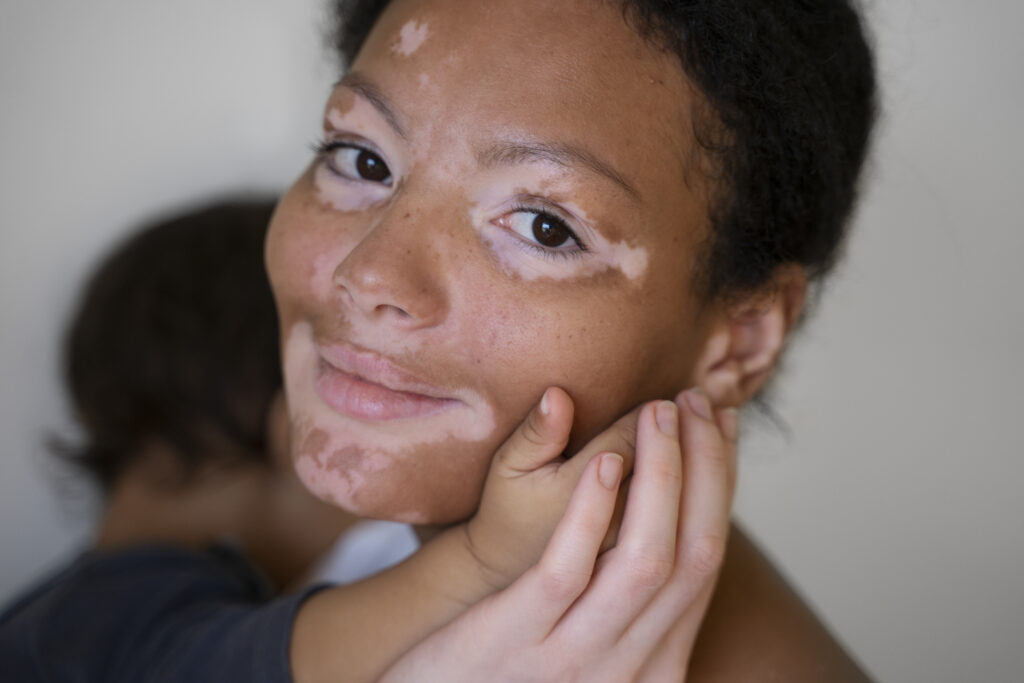
A Comprehensive Guide to Causes, Treatments, and Support
Vitiligo is a chronic skin condition characterized by the loss of pigment, leading to distinctive white patches. It affects approximately 1% of the global population, transcending age, gender, and ethnicity. While not physically harmful, its impact on mental health and self-esteem can be profound. Here’s an in-depth look:
🧬 Causes & Mechanisms
- Autoimmune Dysfunction: The predominant theory suggests the immune system mistakenly targets melanocytes, the cells producing skin pigment (melanin).
- Genetic Factors: About 30% of cases have a family history, with genes like NLRP1 and PTPN22 implicated.
- Environmental Triggers: Sunburn, chemical exposure, or trauma (Koebner phenomenon) may initiate or worsen patches.
- Stress: Emotional or physical stress can exacerbate vitiligo, possibly through neuroendocrine pathways.
- Associated Conditions: Linked to autoimmune disorders (e.g., Hashimoto’s thyroiditis, type 1 diabetes), underscoring the need for holistic health checks.
Types of Vitiligo
- Non-segmental (Generalized): Most common, symmetrical patches, often progressing slowly.
- Segmental: Unilateral, rapid-onset patches, typically stabilizing early; more common in children.
- Mucosal & Focal: Affects mucous membranes or isolated areas.
Treatment Options
- Topical Therapies:
- Corticosteroids: Reduce inflammation; suitable for small areas.
- Calcineurin Inhibitors (e.g., tacrolimus): Safer for face/neck, especially in children.
- JAK Inhibitors: Ruxolitinib cream (FDA-approved) shows promise in repigmentation.
- Phototherapy:
- Narrowband UVB: Gold standard for widespread cases; requires 2-3 sessions weekly.
- Excimer Laser: Targets specific areas with fewer side effects.
- Surgical Options:
- Skin Grafting/Melanocyte Transplants: For stable vitiligo unresponsive to other treatments.
- Depigmentation: Monobenzone for extensive cases (>50% skin involvement) to achieve even tone.
- Camouflage: Makeup and dyes (e.g., Dermablend) for immediate cosmetic improvement.
Lifestyle & Management
- Sun Protection: Broad-spectrum SPF 30+ prevents burns in depigmented areas and reduces contrast.
- Mental Health Support:
- Counseling/Therapy: Addresses anxiety, depression, or body image issues.
- Support Groups: Organizations like Vitiligo Research Foundation offer community and resources.
- Public Awareness: Celebrities like Winnie Harlow and Jon Hamm help normalize vitiligo, fostering acceptance.
🚫 Myths vs. Facts
- Myth: Vitiligo is contagious. Fact: It’s an autoimmune condition, not infectious.
- Myth: Diet causes vitiligo. Fact: No direct link, though a balanced diet supports overall health.
❤️ Emotional & Social Support
- Family & Friends: Encourage open dialogue to reduce stigma; educate peers/teachers for children.
- Cultural Sensitivity: Address stigma through education, emphasizing that vitiligo is not a reflection of character or hygiene.
🔬 Future Outlook
Research is exploring stem cell therapies and genetic interventions. Clinical trials continue to assess new treatments, offering hope for long-term solutions.
📚 Resources
- Global Vitiligo Foundation: Provides educational materials and locates specialists.
- #VitiligoAwareness: Join social media campaigns to celebrate diversity in skin.
Embrace Your Journey: Your skin’s story is unique—own it with pride. Consult a dermatologist to tailor a treatment plan that works for you.